





































Library

Three ways to find what's useful: browse the catalogue, ask our AI for a recommendation, or follow a curated path.

126 lessons · 7 themes · 5 pillars

Filter:
ThriveOS

Your personal operating system. Build sustainable routines, develop a growth mindset, and take control of your physical and mental health.

14 lessons·1 theme

All lessons

The Mask You Wear

The performance of looking fine all day is exhausting. A tiny pause (one breath, a short walk) can interrupt the stress cycle and reset your whole state.

The Invisible Workload

Doing more than your role doesn't automatically earn recognition. You have to name the value you create and ask for the conversation.

When Stress Makes You Spin

When your brain launches side projects under pressure, it's panic disguised as productivity. One pause and one clear next step cuts through the chaos.

Fear of Public Failure

People aren't afraid of failing, they're afraid of failing visibly. But confidence arrives after action, not before, so the smallest step forward is the fix.

Avoiding Conflict = Losing Power

Avoiding conflict trades a quiet moment now for resentment later. A calm pause plus one boundary sentence ("I can't take that on right now, but here's what I can do") is firmness without fire.

Boundaries as Emotional First-Aid

Saying yes until you collapse isn't generosity, it's a missing "no" muscle. Boundaries work like breathing: take in what matters, release the rest.

You Can't Rise If You Never Dream

Being practical and grounded is valuable, but never allowing yourself a vision means building without a blueprint. Dreaming is part of the growth cycle, not a luxury.

When Guidance Is 'Light' But Life Is Heavy

Vague, casual mentorship creates more confusion than clarity. Real guidance starts with asking one specific question to someone who's walked the path, not just talked around it.

Self-Worth vs. Self-Value

Self-worth is how you feel; self-value is the evidence of what you deliver. Listing your contributions isn't bragging, it's the data that lets you negotiate and stop shrinking.

The Myth of Having It Figured Out

Nobody has a perfect masterplan. Life unfolds in cycles of clarity, confusion, growth, and pause. You don't need a roadmap; you need rhythm and the ability to reset between seasons.

The Confidence Gap

Confidence doesn't come before action, it's generated by it. You don't need to feel ready to start; starting is what makes you ready.

Imposter Syndrome Is Just Pattern Recognition

Imposter syndrome isn't a sign you're unqualified, it's your brain pattern-matching on old data. You act your way out of it, not think your way out.

Comparison Is Borrowed Criteria

Most of the benchmarks you measure yourself against aren't yours, they're borrowed from people around you. Remove the borrowed criteria and what's left is what you actually want.

Your Inner Critic Has Outdated Data

Your inner critic runs on outdated evidence. Most self-limiting beliefs trace back to a single old event that no longer reflects who you are.

Job Journey

Navigate your career with clarity and confidence. Land your first role, pivot industries, or figure out what you actually want to do.

24 lessons·2 themes

All lessons

Why You're More Qualified Than You Think

Experience isn't defined by job titles, it shows up in every moment you stepped up, solved a problem, or held responsibility. You already have more than you think.

How to Write a Résumé That Doesn't Suck

A strong résumé shows what changed because you were there: outcomes, not tasks. Shifting from activity to impact transforms how employers read you.

How to Answer 'Tell Me About Yourself'

This question isn't asking for your biography, it's asking for your direction. A simple three-part structure (where you've been, what you're focused on, where you're aiming) keeps you calm and clear.

The Hidden Job Market

Most jobs get filled through conversations before a job ad ever appears. Visibility, not volume of applications, is the real game.

The Mindset Shift That Makes Job Hunting Less Miserable

Job hunting feels awful when you think you're begging to be chosen. Flip it: you're offering value and solving problems, not asking for permission.

Your CV Is Not an Ad

A CV isn't your life story, it's a decision tool. Remove anything that doesn't help someone say "yes, let's interview them."

The CV Must-Haves

Every solid CV needs four things: clear contact details, experience, skills, and education. Get those right and a simple CV outperforms a pretty one every time.

CV Red Flags

Photos, long paragraphs, old irrelevant jobs, and vague clichés make your CV easy to skip. Simplicity and relevance beat volume every time.

Your Real Experience

Experience isn't defined by pay, it's defined by contribution. Reframe everyday responsibilities as evidence of capability and your CV gains real depth.

Show Impact, Not Tasks

Hiring managers want outcomes, not activity lists. Showing what improved because you were there transforms a CV from a task list into a value statement.

Clarity > Cleverness

Fancy CV templates can sabotage you. Recruiters skim for clarity, not creativity. A clean, scannable layout lets your strengths actually shine.

The 10-Second Test

If someone can't understand your CV in 10 seconds, it's not ready. Hand it to someone, ask what role you want and what stood out, and adjust based on the gaps.

What Is an ATS?

Most companies use software to filter CVs before a human ever sees them. Simple formatting and relevant keywords get you through the gate, not fancy design.

How ATS Reads Your CV

ATS struggles with columns, icons, tables, and graphics. One-column layouts with standard fonts and simple headings get your skills read correctly.

ATS Loves Keywords

The ATS scans for specific language from the job description. Reflecting those keywords naturally in your CV isn't tricking the system, it's speaking the role's language.

A Smarter Skills Section

Your skills section is the first thing ATS and humans scan. Organising it into clear categories (technical, tools, soft skills, industry) turns it from a messy list into a highlight reel.

What's Your Biggest Weakness?

This interview question tests honesty and self-awareness, not perfection. Share a real weakness, then show what you're doing to improve it. That's maturity, not vulnerability.

A Real Cover Letter

The best cover letters answer three questions (why you, why this role, why now) in short, human language. Real beats formal.

Speak with Presence

Presence isn't charisma. It's pacing, breathing, and intentional pauses. These are learnable skills that make your words carry more weight.

Pass the ATS, Impress the Human

A CV needs to work for two audiences: the ATS (simple formatting, keywords) and the human (impact, structure, readability). Balance both and you maximise your chances.

How to Ask for What You Want at Work

Good work doesn't speak for itself. You have to ask for what you want. Frame the ask around what matters to the listener, not why you deserve it.

Your Resume Isn't About You

Your resume isn't a biography, it's a match sheet. Write it for the reader's checklist, not your career timeline.

The Freelance Question

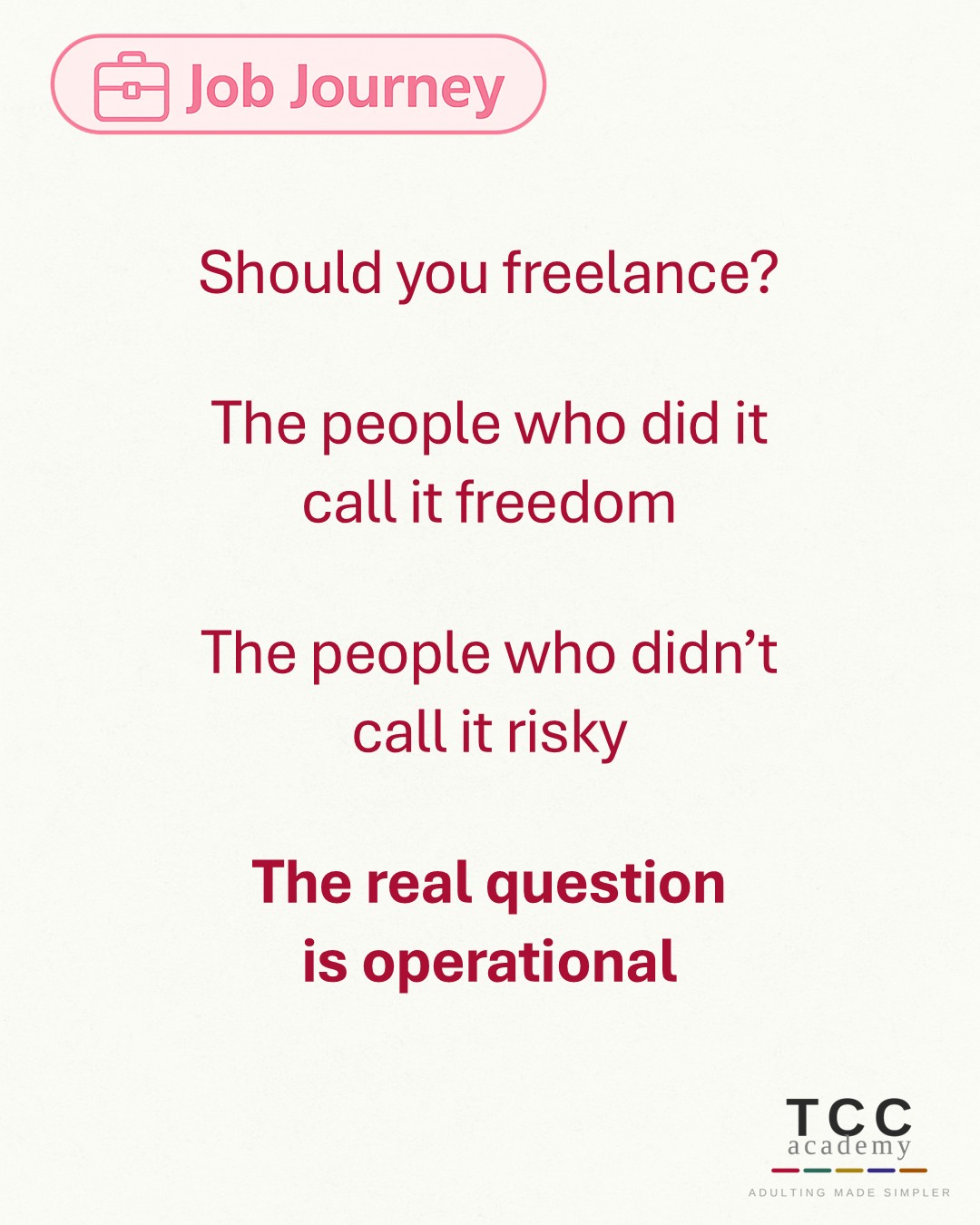
Freelancing doesn't fail because the work dries up. It fails because the craft is only 30% of the actual job. The rest is admin, and most people hate it.

The Unwritten Rules of Work

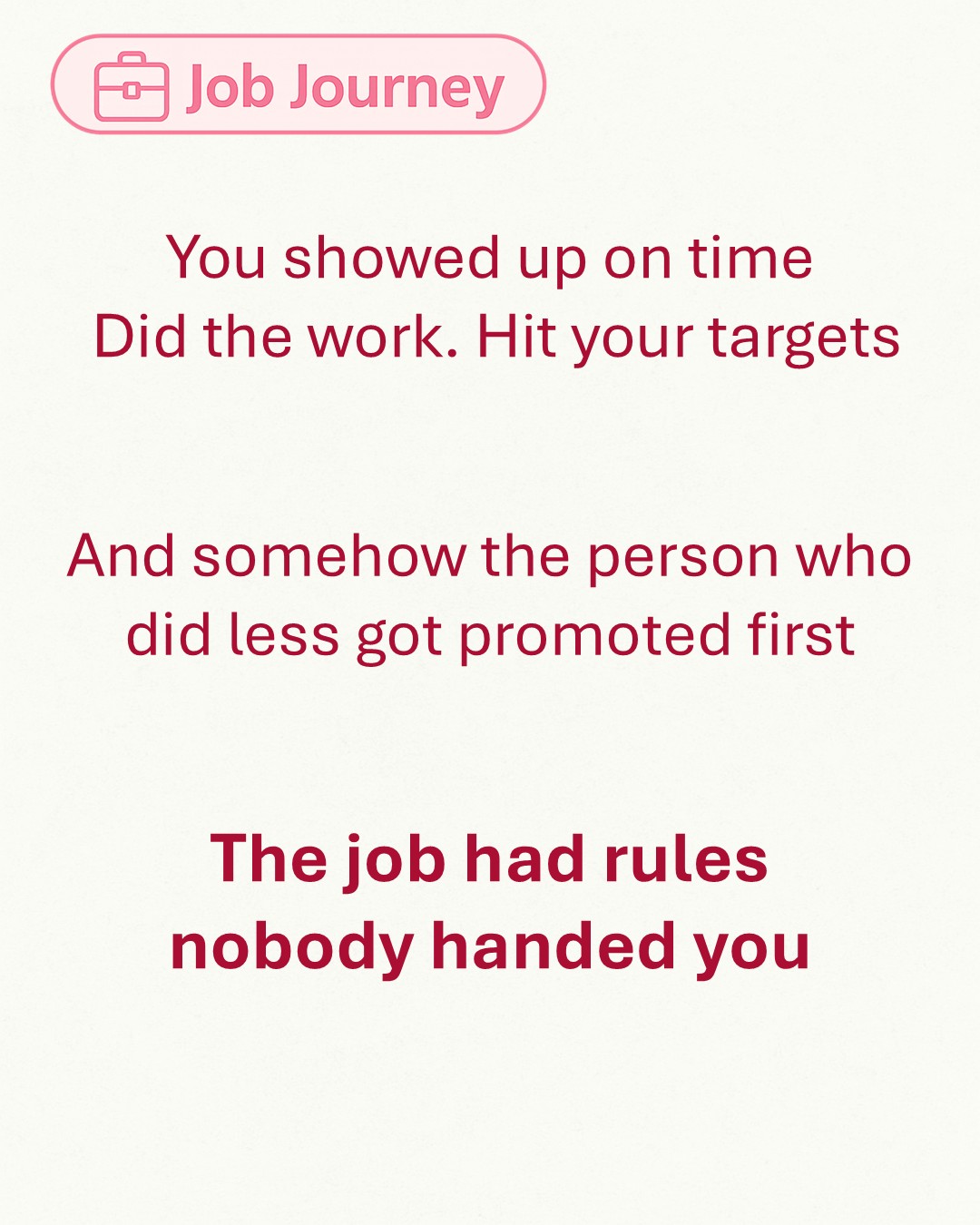
Every workplace runs on two systems: the official rules and the unwritten ones. The people who advance learn both, not just how to do the job, but how the place actually works.

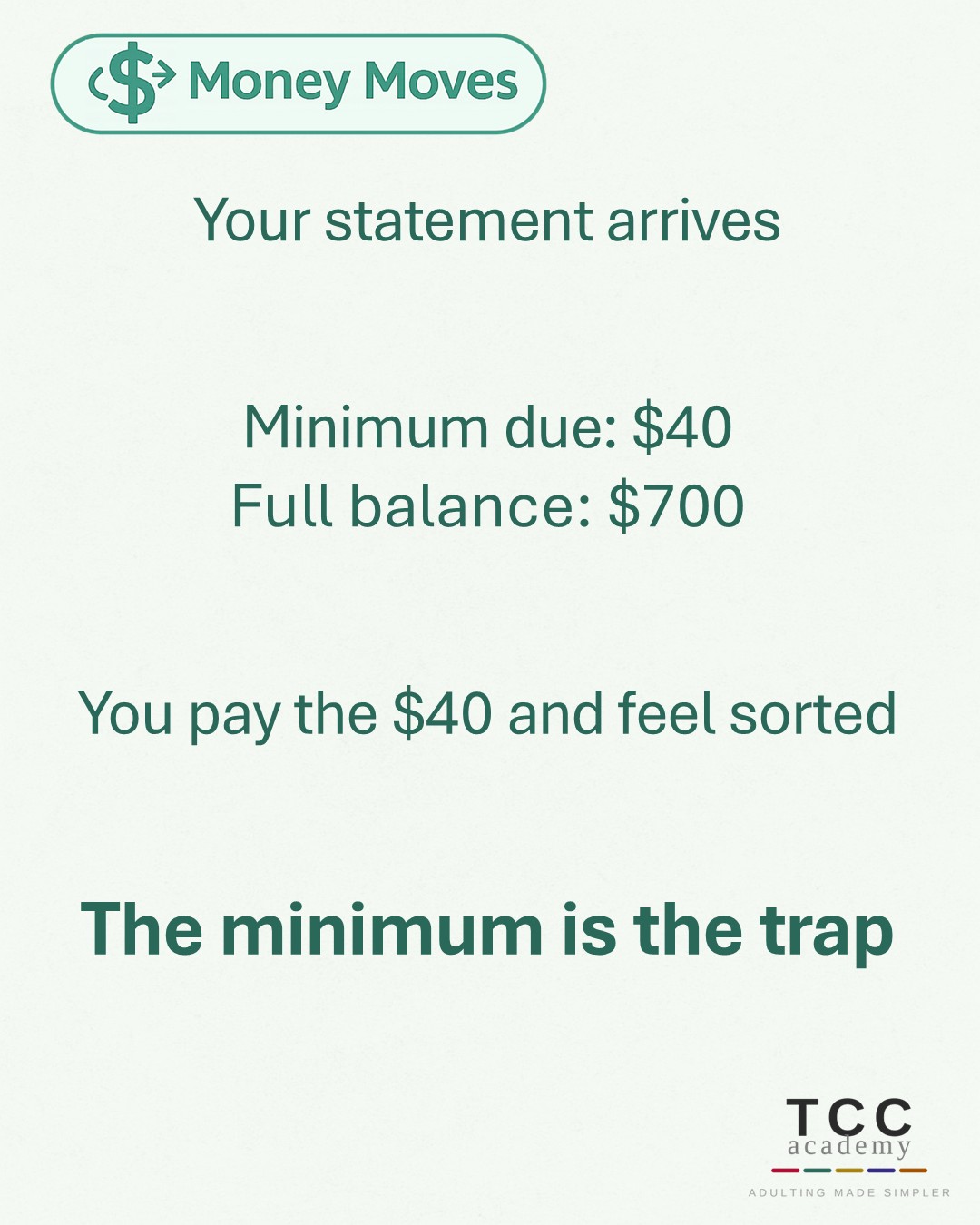
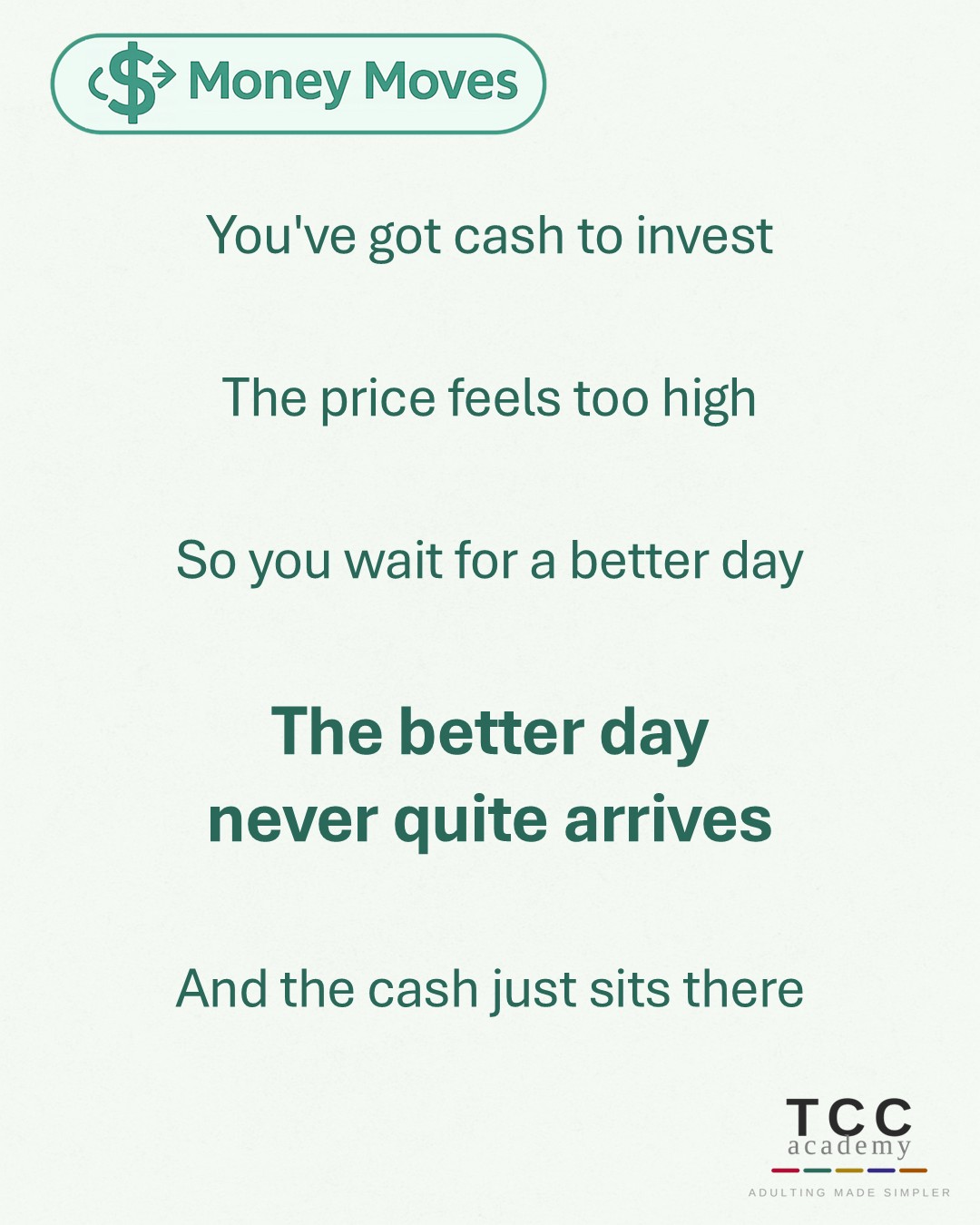
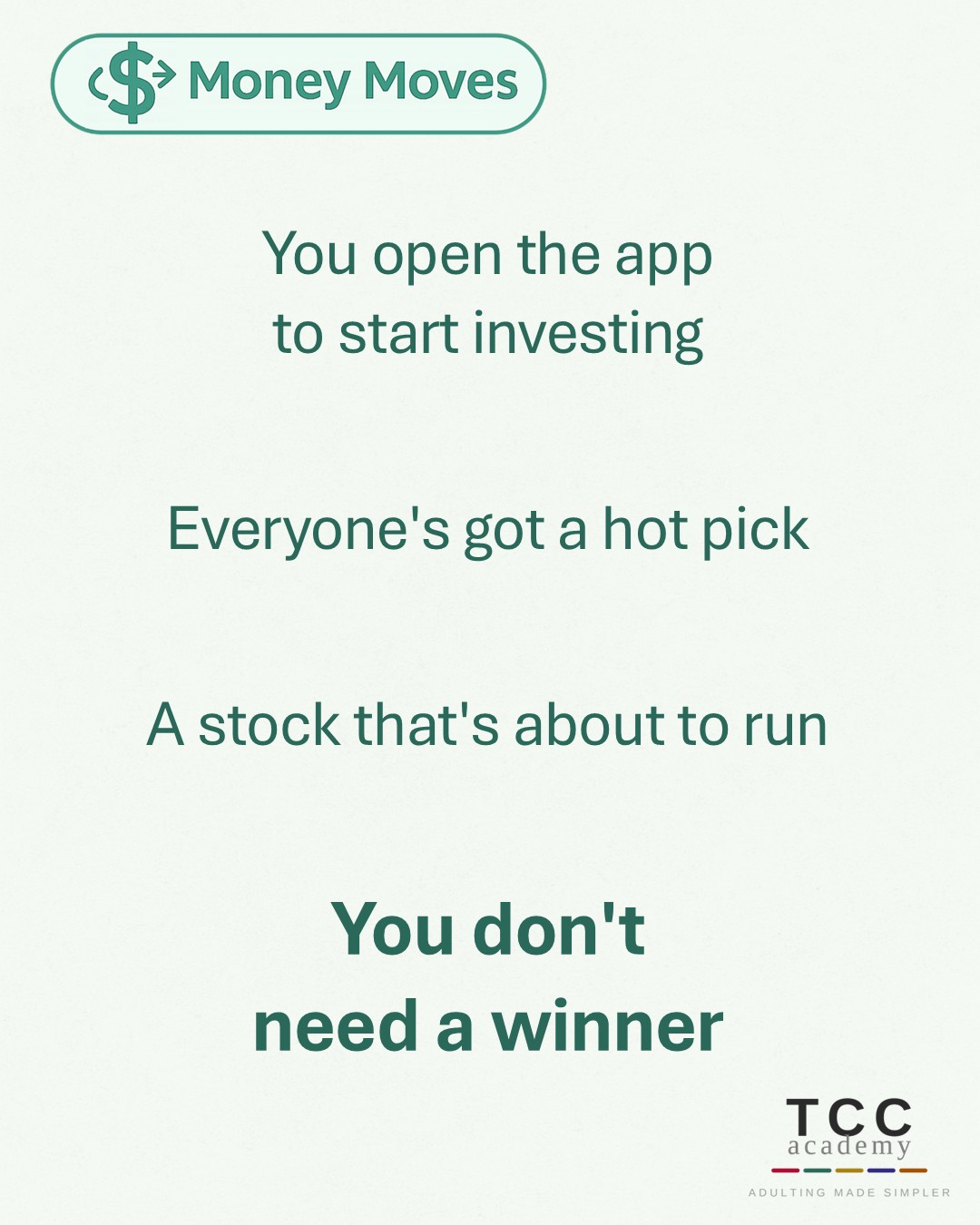
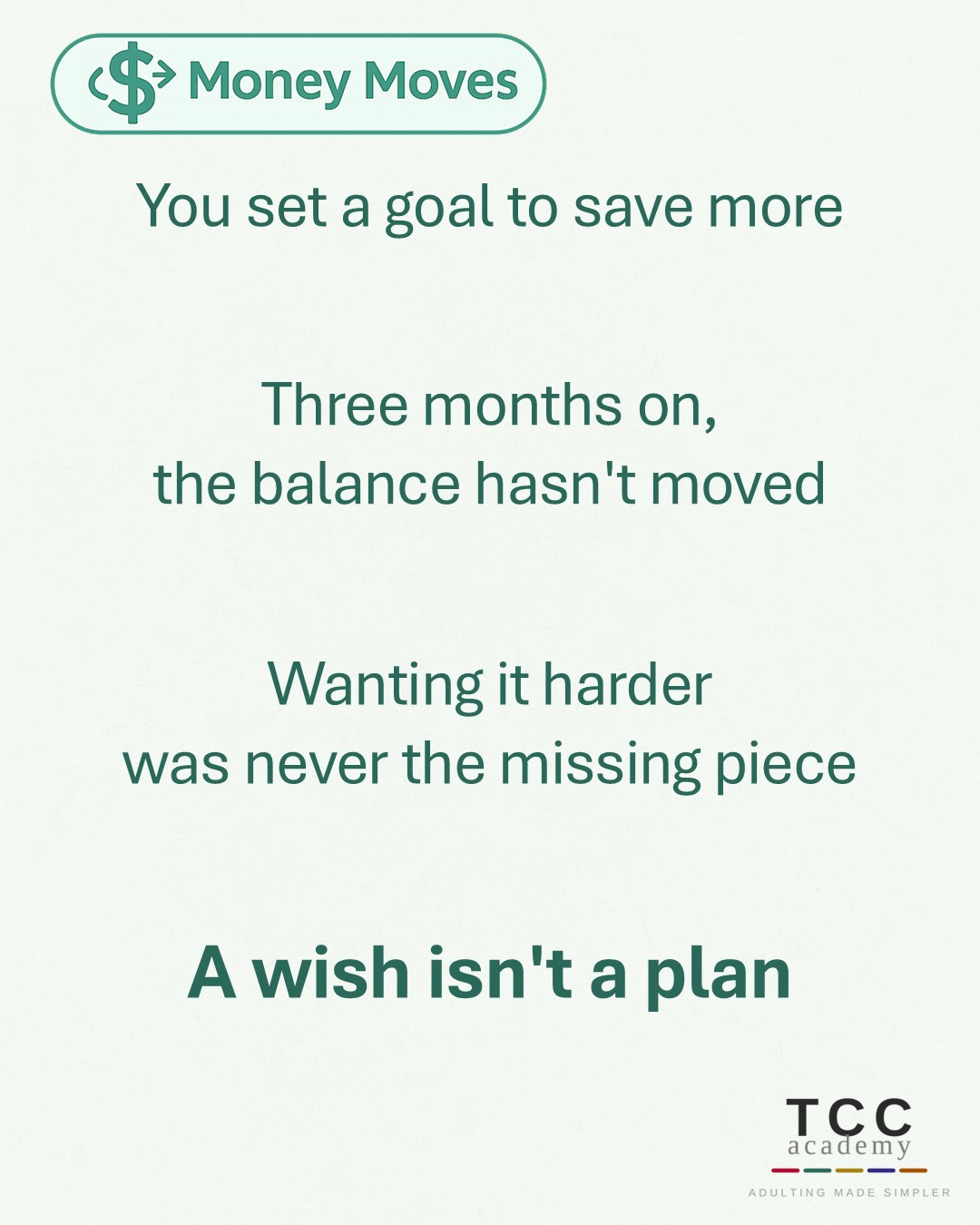
Money Moves

Build real money confidence. Budgeting that works, saving that sticks, and investing basics that demystify the financial world.

42 lessons·2 themes

All lessons

The Emergency Fund (Your Freedom Fund)

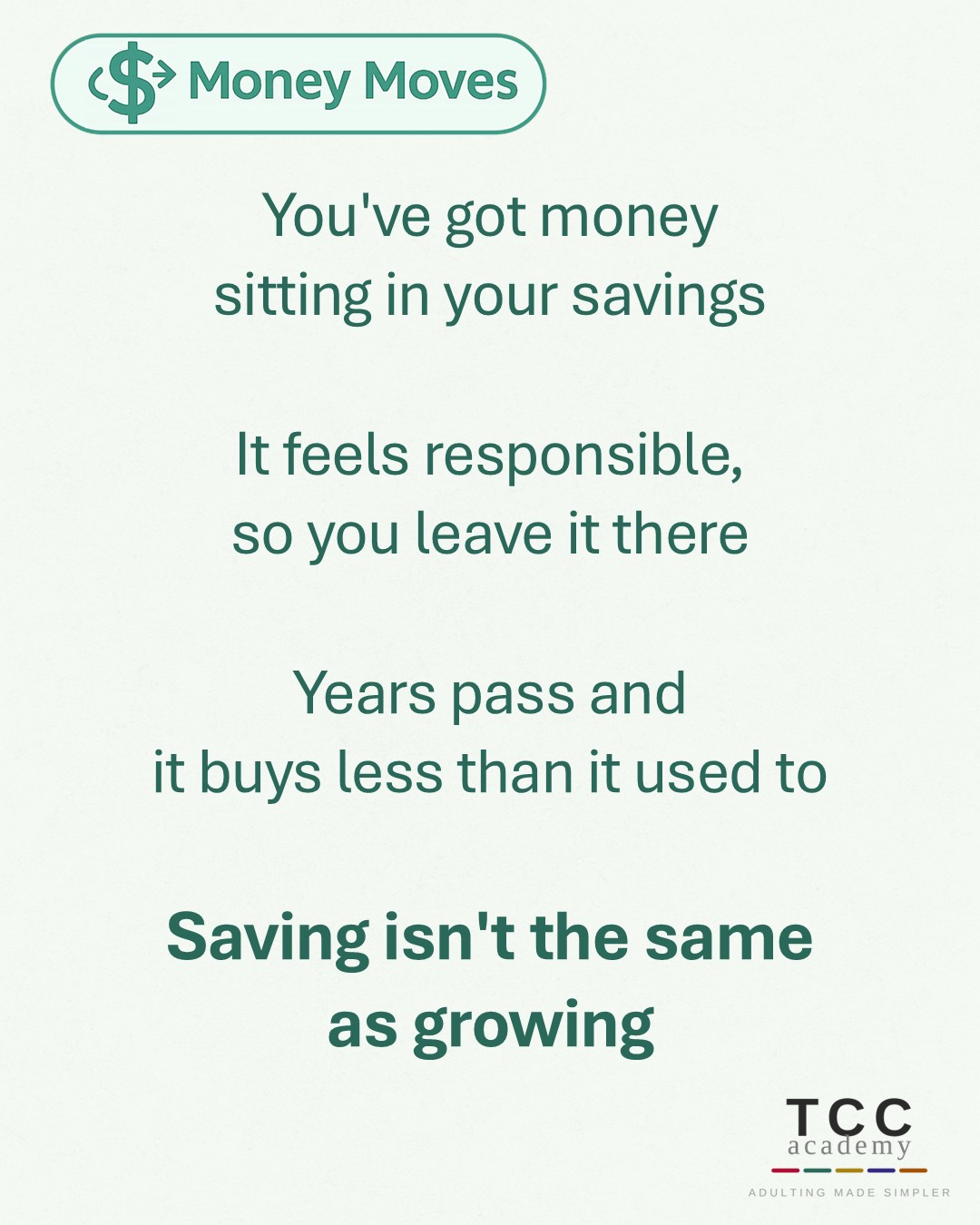
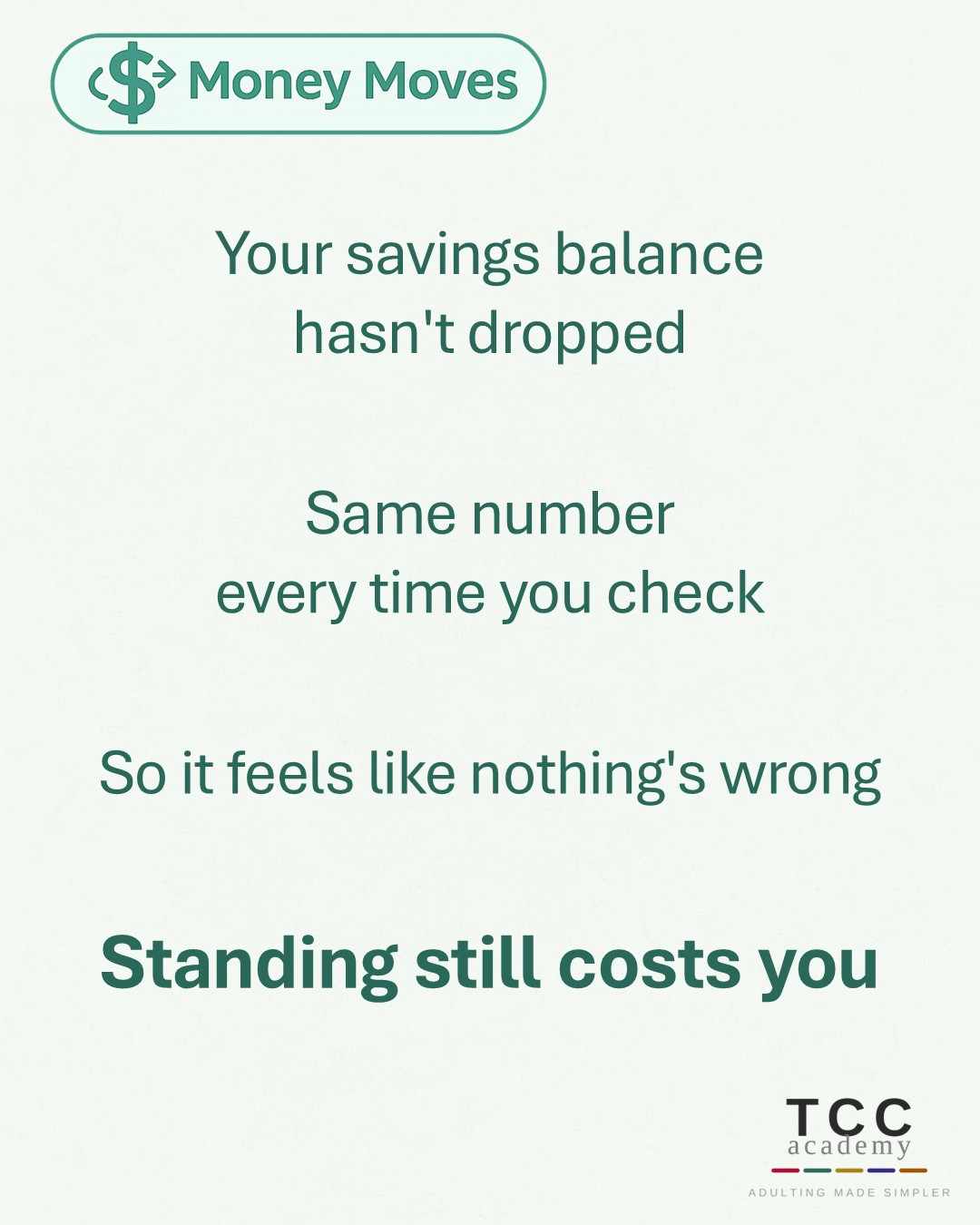
An emergency fund isn't just savings, it's a Freedom Fund that keeps you from panicking when life throws curveballs. Start with $1,000, then grow it to 3 months of living costs.

The Freedom Fund

The Freedom Fund is the savings buffer that gives you options when opportunities or emergencies show up.

How to Work Out Your Monthly Expenses

You can't build a Freedom Fund if you don't know what one month actually costs you. Scroll your bank app, add up everything (essentials and sneaky stuff), and that honest number becomes your savings target.

Your Monthly Expenses

You don't know what you spend until you scroll every transaction. Your real monthly number is almost always higher than what you think.

Budgeting for the Unpredictable (Non-Recurring Expenses)

Holidays, gifts, and car rego aren't emergencies, they're predictable surprises. Average last year's irregular costs across 12 months and stash that amount monthly in a separate account.

Budgeting for the Unpredictable (Non-Recurring Expenses)

Non-recurring expenses aren't surprises, they're predictable costs that arrive on their own schedule. Dividing them by twelve turns chaos into a line item.

Long-Term Savings (Your Opportunity Fund)

After emergency and non-recurring funds, start a third bucket with no specific purpose, just future freedom. It's the money that says "yes" when an opportunity shows up.

Long-Term Savings (Opportunity Fund)

An Opportunity Fund is a separate account with no fixed purpose, just money that can say yes when something worth funding shows up.

Your Three-Account System

Organise your money into three rooms: Emergency Fund, Non-Recurring Expenses, and Long-Term Savings. Transfer into those rooms every payday before you spend. That's how clarity becomes control.

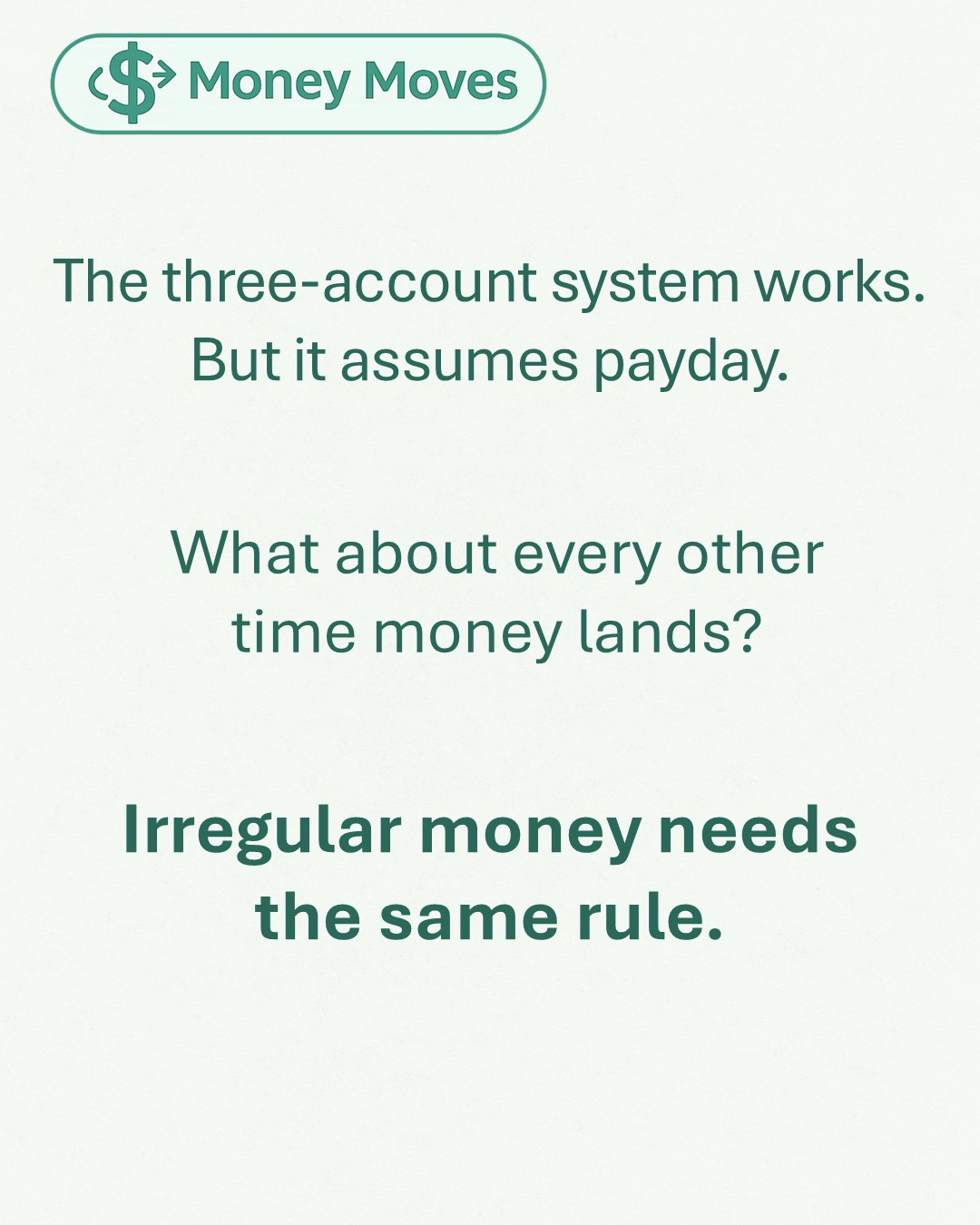
The Three-Account System

The three-account system works because transfers happen first, before you spend, not after. The habit matters more than the amount.

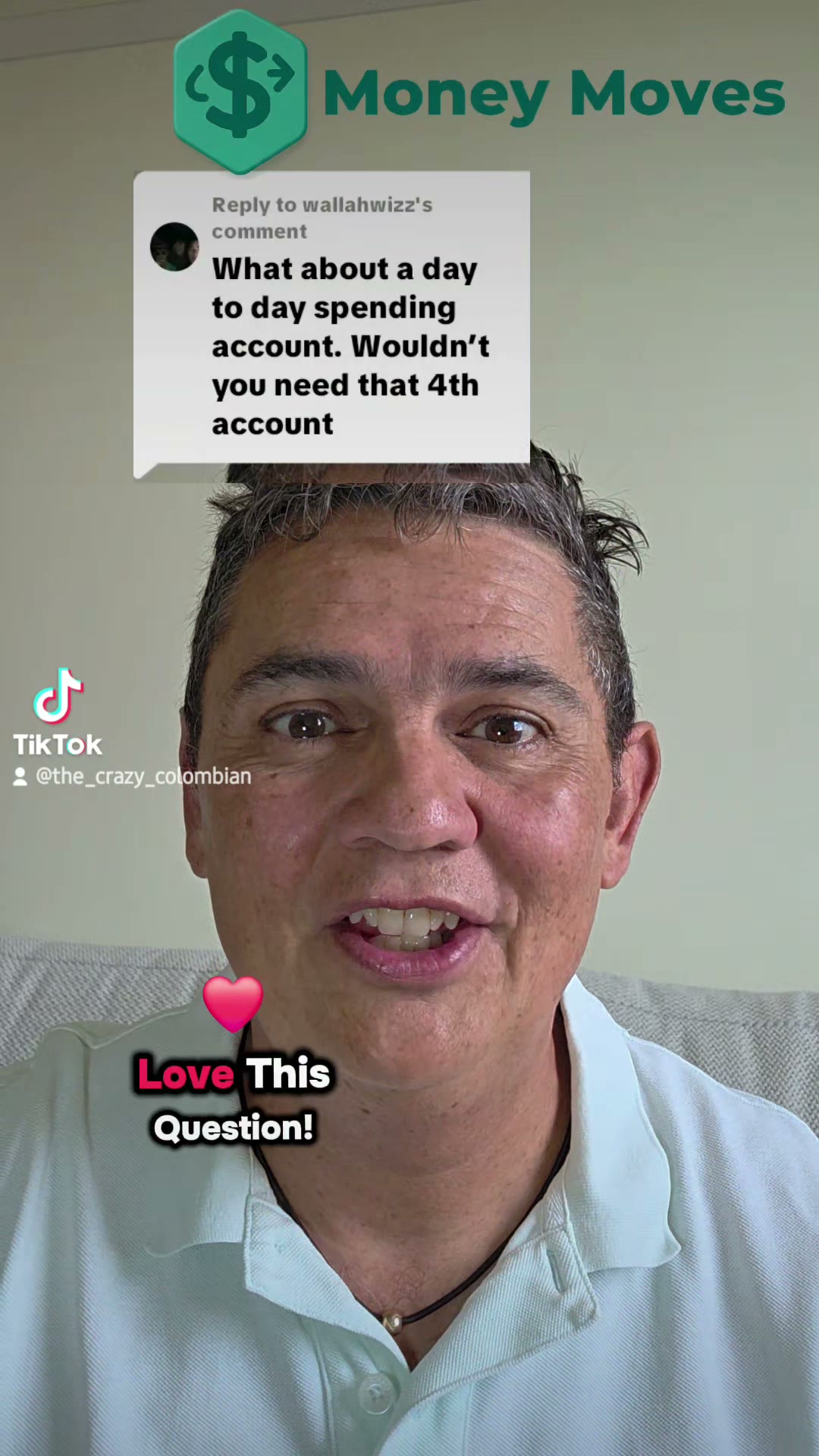
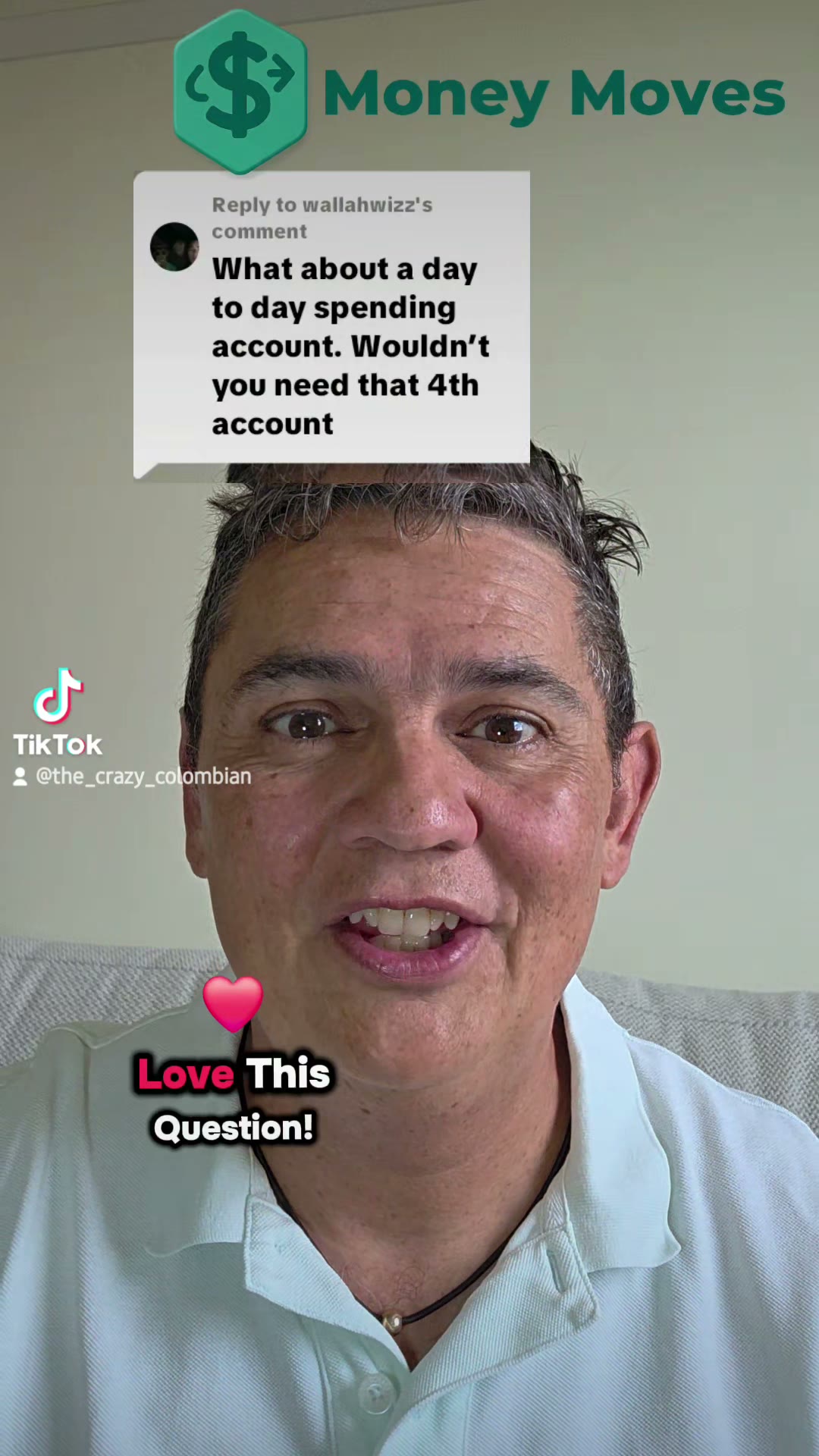
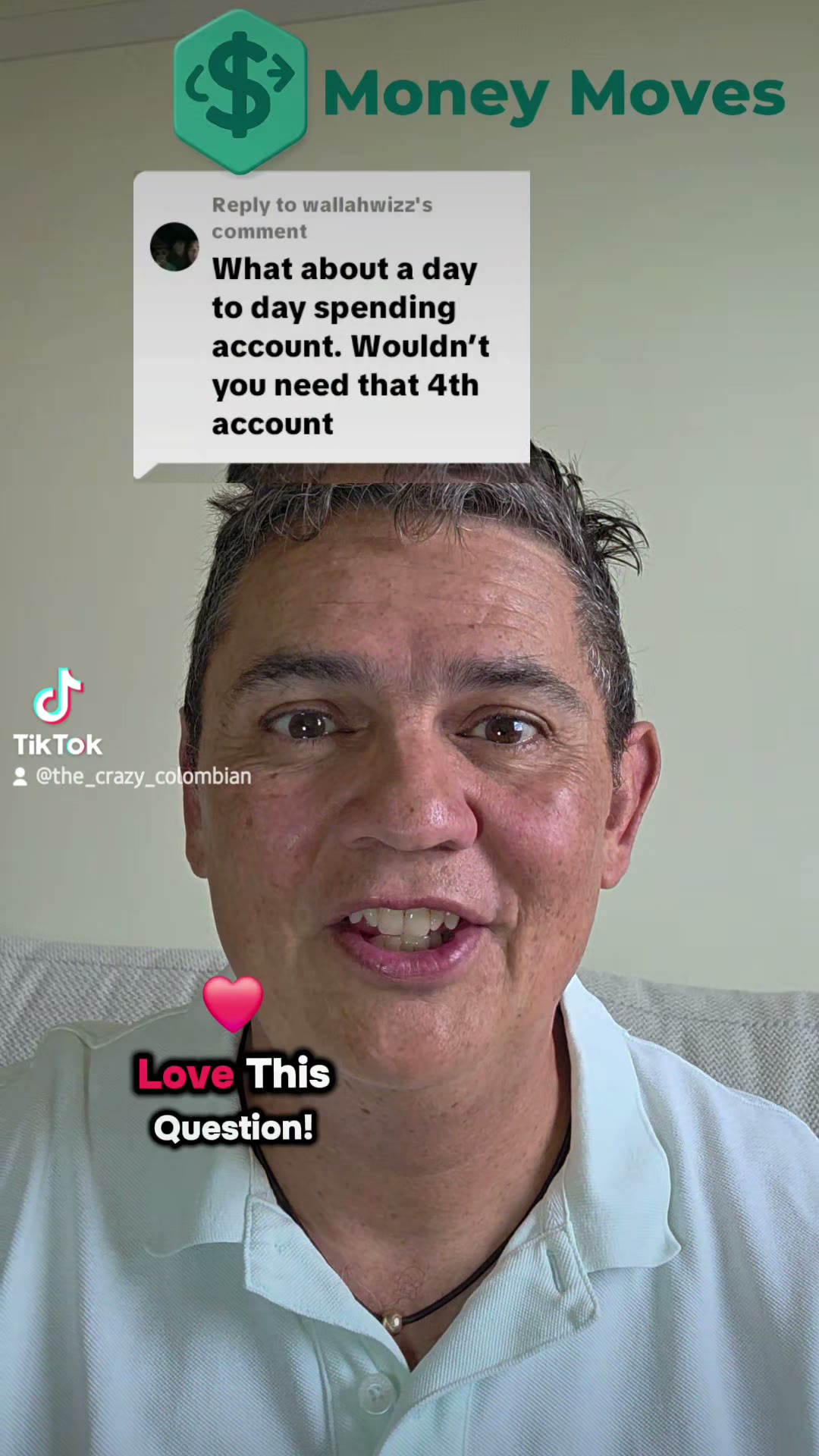
What about your Daily Expenses?

Response to a comment on MM5 'Three-Account System'. Walks through how the system handles smaller, ad-hoc daily expenses on top of the three buckets, with banking-app organisation as the practical hook.

Automate Your Money

Automation isn't about being rich, it's about removing friction. Every time money lands, move something into savings immediately. Habits beat amounts every time.

The $2 Rule

Every time money lands (payday, refund, side job), a slice moves to savings automatically. The amount doesn't matter; the reflex does.

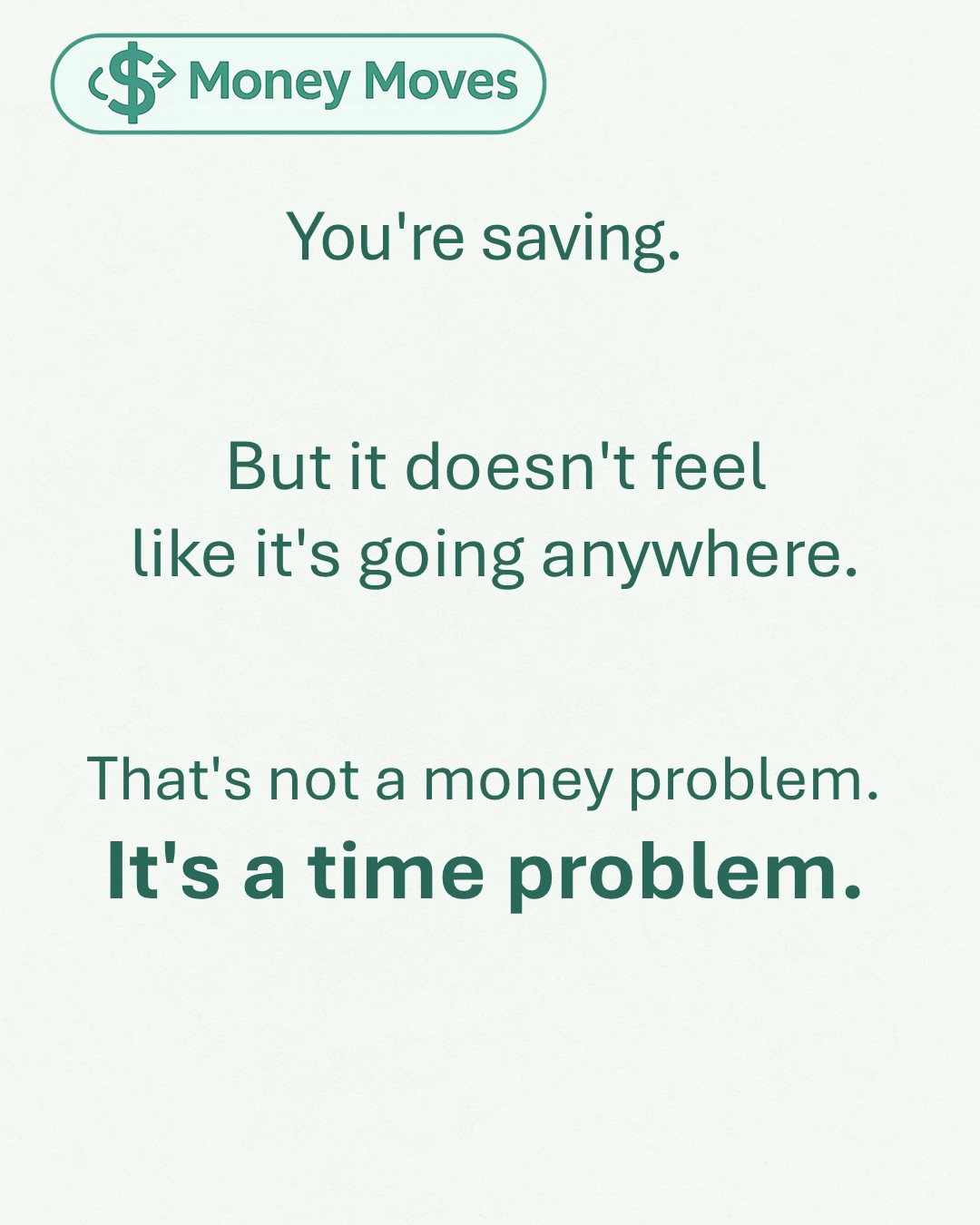
Compound Interest

Compound interest rewards time, not size. Starting small and early beats starting big and late because the curve is exponential, not linear.

Time-in vs Timing

Time in the market beats timing the market. Consistency and early starts matter more than picking the right moment or the right amount.

The Fourth Account Everyone Asks About

Your everyday spending account is the fourth account. The three-account system sits around it, not instead of it. Label your accounts clearly so you see your priorities every time you log in.

The Fourth Account

Your everyday spending account is the fourth account in the system. The one that works because the other three filter money before it arrives.

The Value of Money

You don't learn the value of money when it's freely available. You learn it when spending forces a trade-off. Without that friction, money is just a number.

The Value of Money

Money only teaches value at the point of trade-off. Without a real constraint forcing a choice, spending is just a number.

Valuable? Or Just Affordable?

Affordability asks "can I buy this?". Value asks "is it worth choosing over everything else?". They're two different questions, and most people only ask the first.

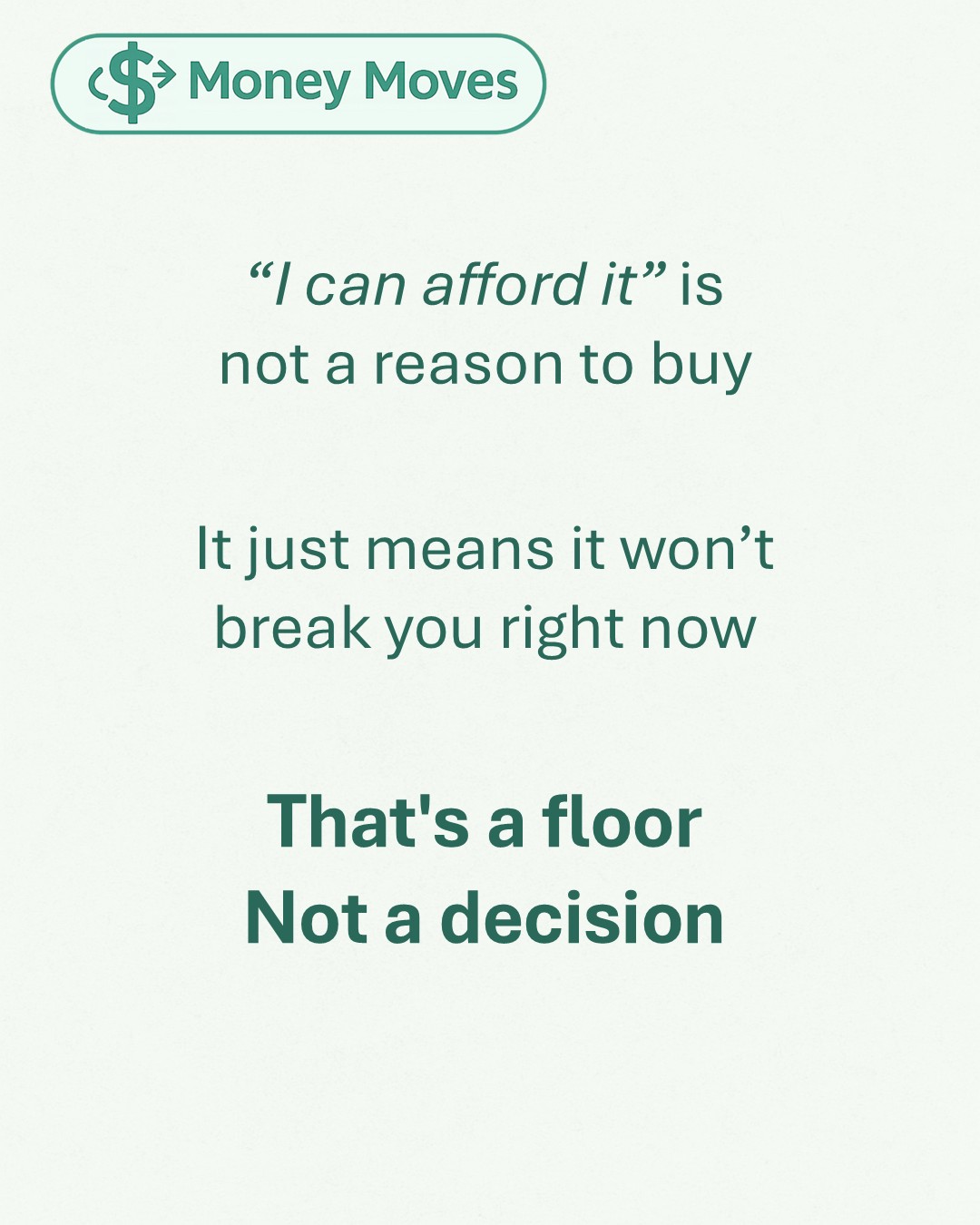
The Value Question

"Can I afford it?" is the wrong question. It only tells you what's possible, not what's worth it. The real question is whether this is the best use of the money compared to everything else.

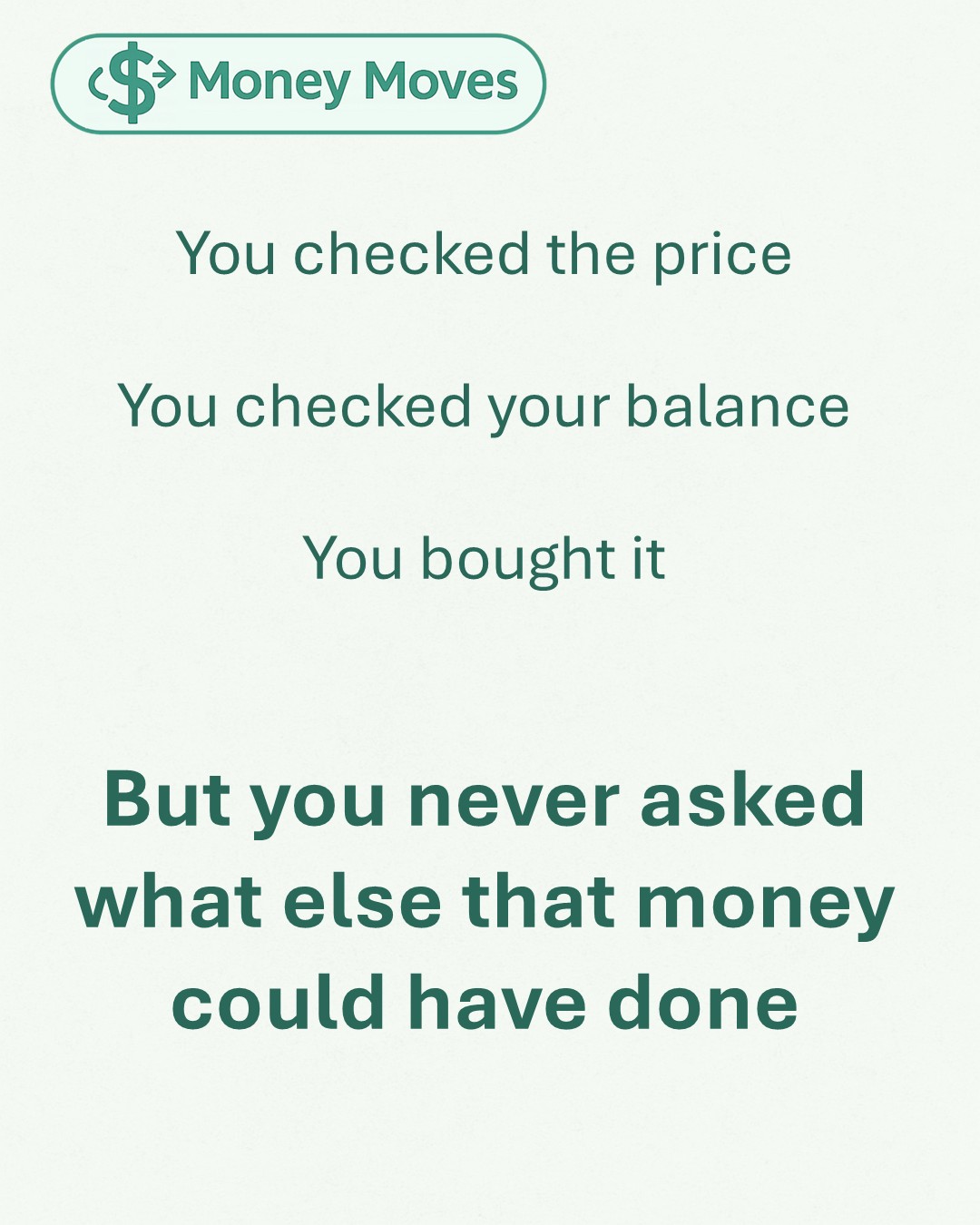
Opportunity Cost

Opportunity cost isn't just the price you paid. It's what spending that money stopped you from choosing later. The trade-off usually only becomes visible after the fact.

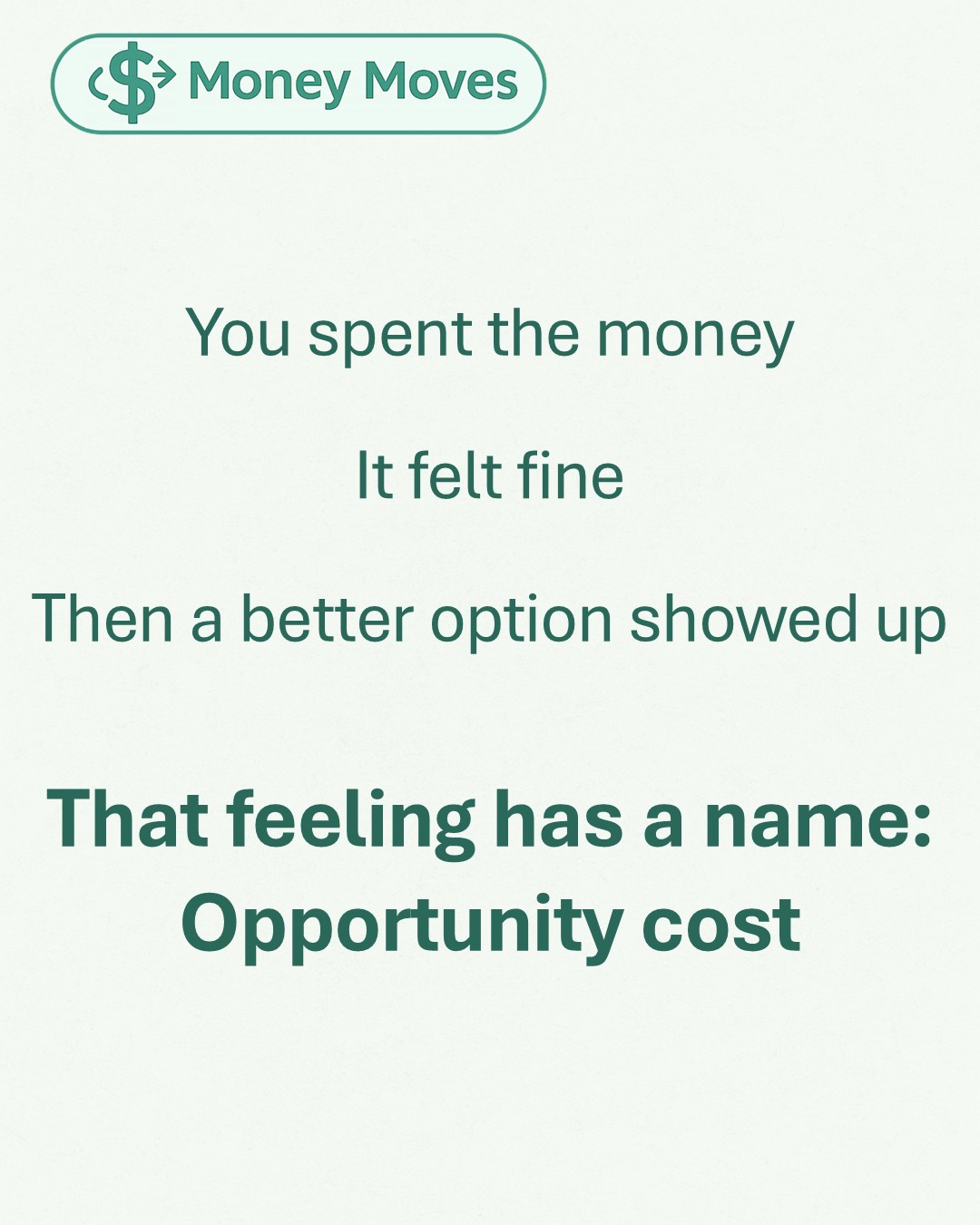
The Hidden Price Tag (Opportunity Cost)

Every purchase has a hidden price: the thing you can't buy because you bought this instead. Making that trade-off visible is what turns spending into deciding.

Why We Miss Opportunity Cost

Opportunity cost stays invisible because the alternative never shows up to compete at the moment of purchase. Practising looking back at recent choices trains you to spot it earlier next time.

Why We Miss Opportunity Cost

Opportunity cost stays invisible because the alternative never shows up to compete. Making it visible turns reflexive spending into deliberate choices.

Six Money Words

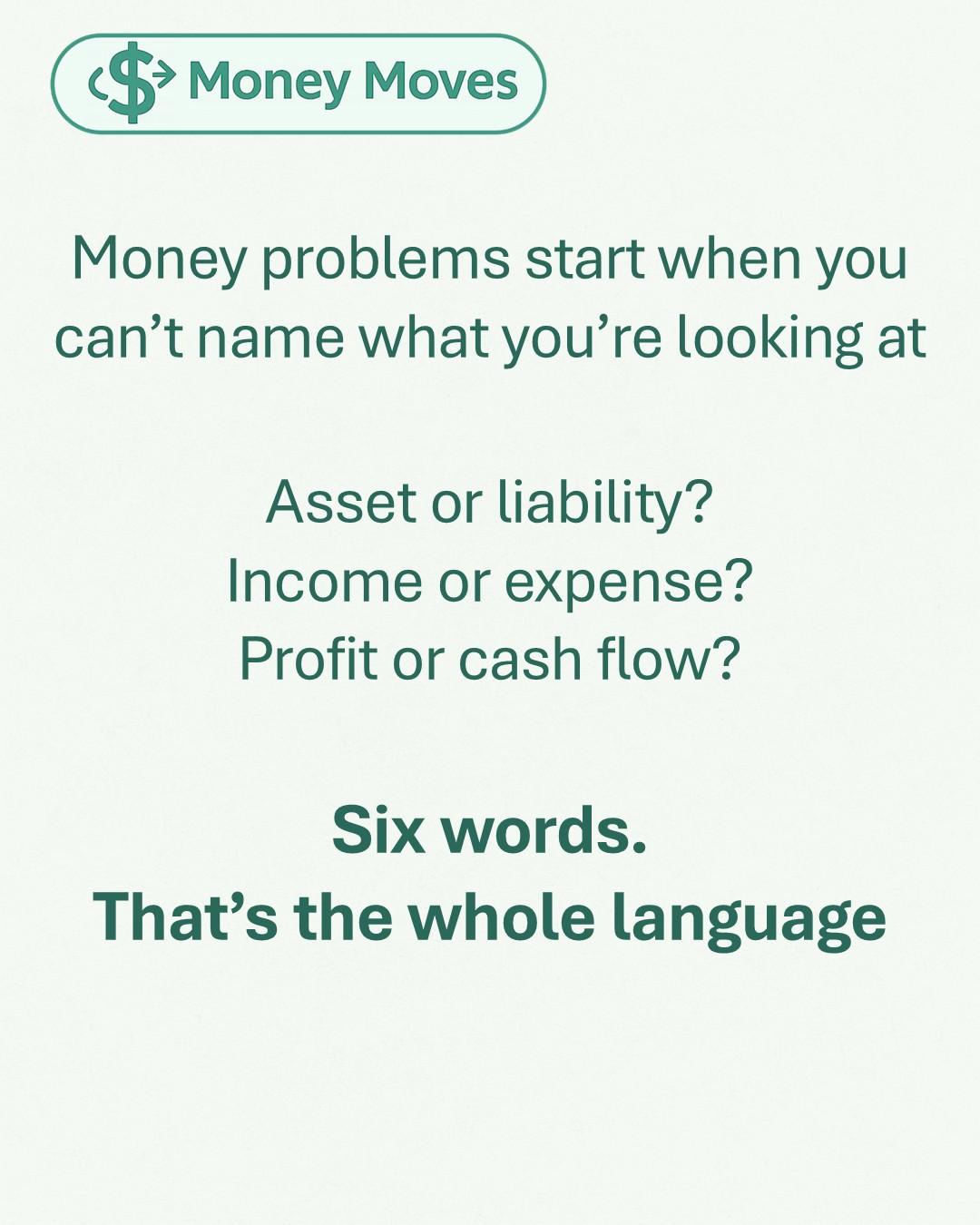
Six words (asset, liability, income, expense, profit, cash flow) are the entire financial language. Clear definitions change how you see and manage your money.

Six Money Words

Six words (asset, liability, income, expense, profit, cash flow) are the entire financial language. If you can label your transactions, you can read your money.

Interest Explained

Interest is the extra money paid or earned for using someone else's money. It always answers the same question: who is using whose money, and for how long.

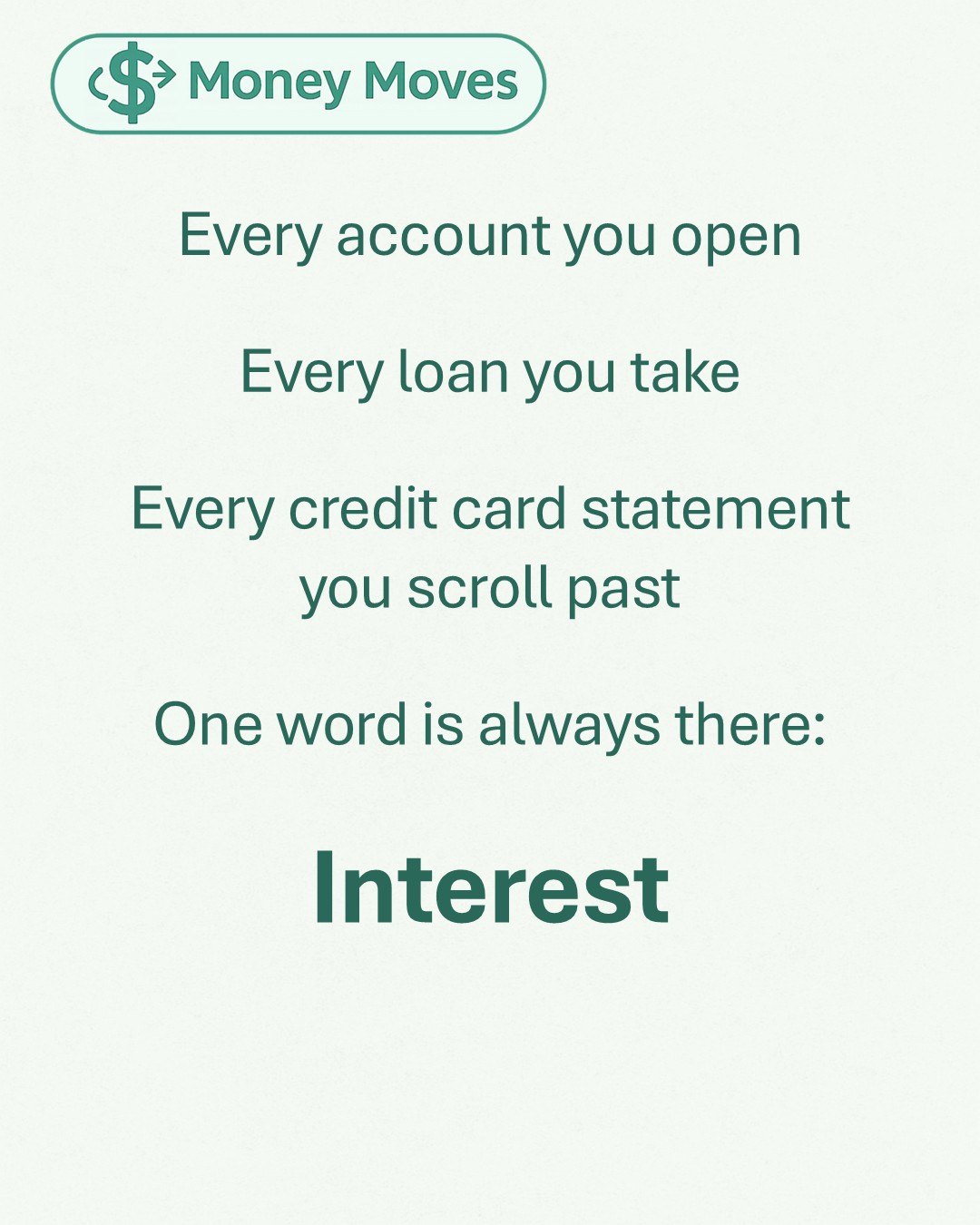
Interest

Interest is one concept with two directions: borrow and you pay extra, save and they pay you. Time is the multiplier that makes both compound.

When Money Feels Tight

Money feels tight not because of income but because costs don't arrive evenly. Irregular expenses are predictable over a year, they just get missed in monthly thinking.

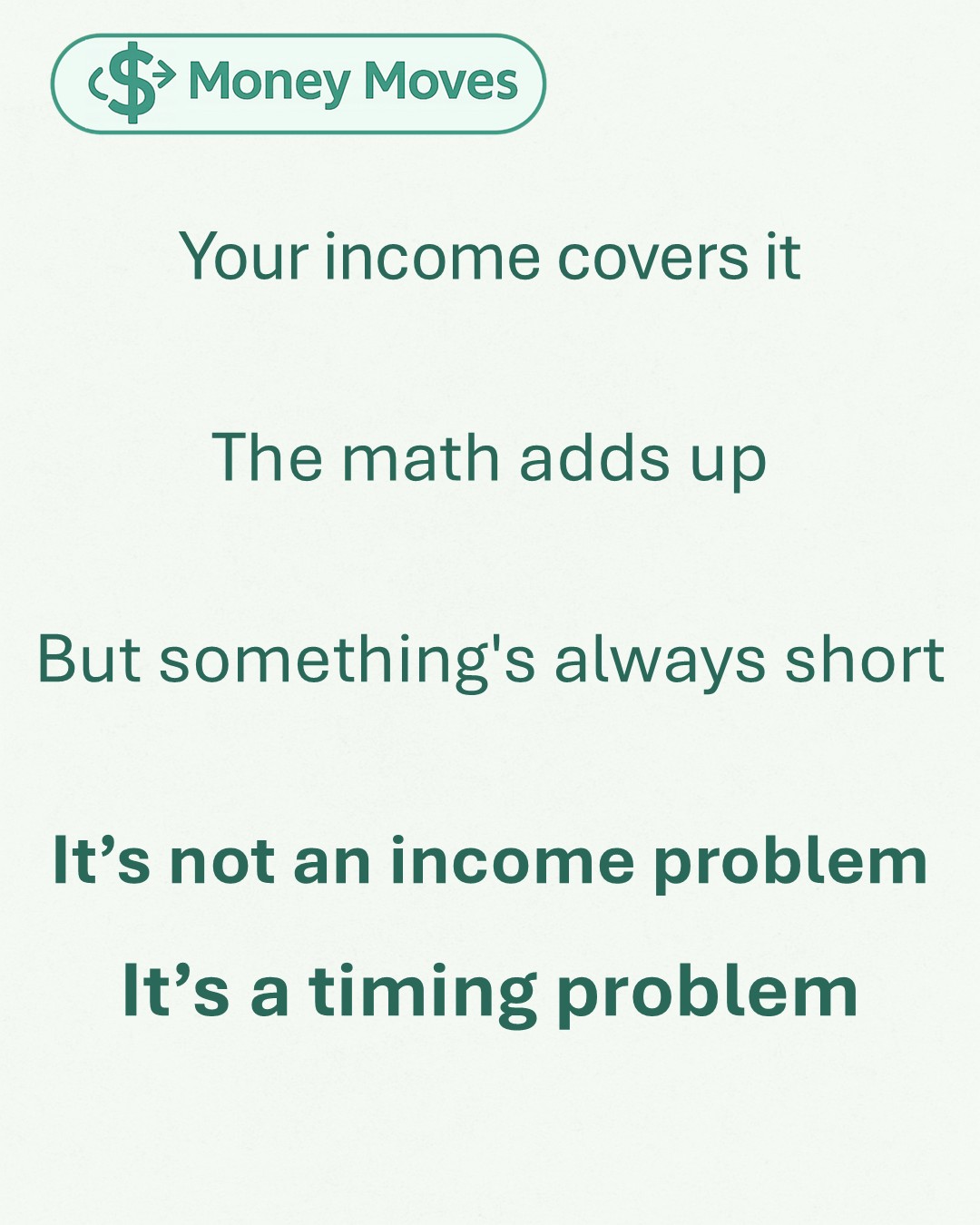
Why Money Feels Tight

Money feels tight not because of income but because of timing. Irregular expenses land without warning and blow up a budget that looks fine on paper.

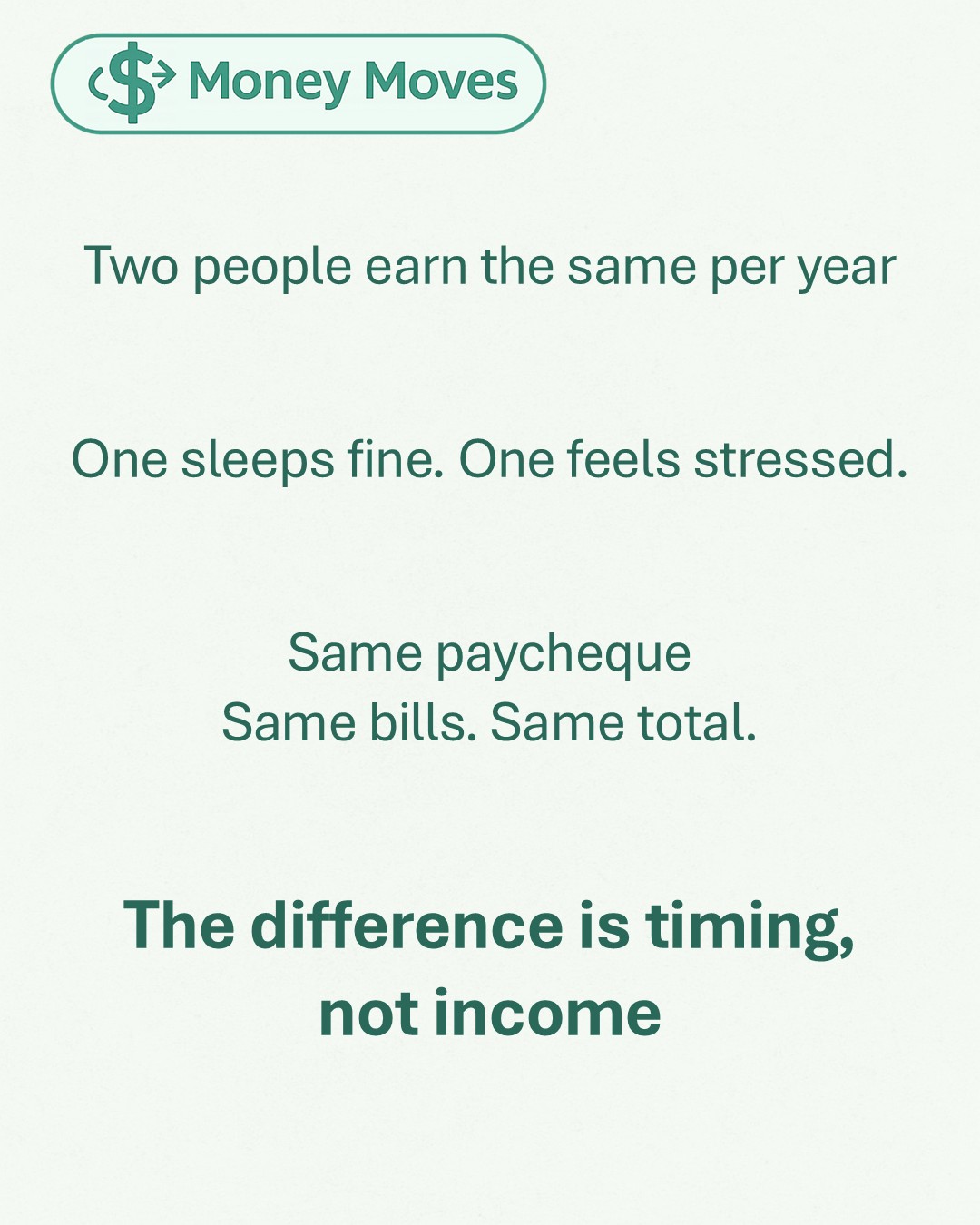
Cash Flow > Income

Two people can earn the same amount and live very different financial lives. Cash flow (when money arrives and leaves) determines whether decisions feel calm or urgent.

Cash Flow > Income

Cash flow is about when money arrives and leaves, not how much. You can be profitable on paper and broke on Tuesday because rent hit before payday.

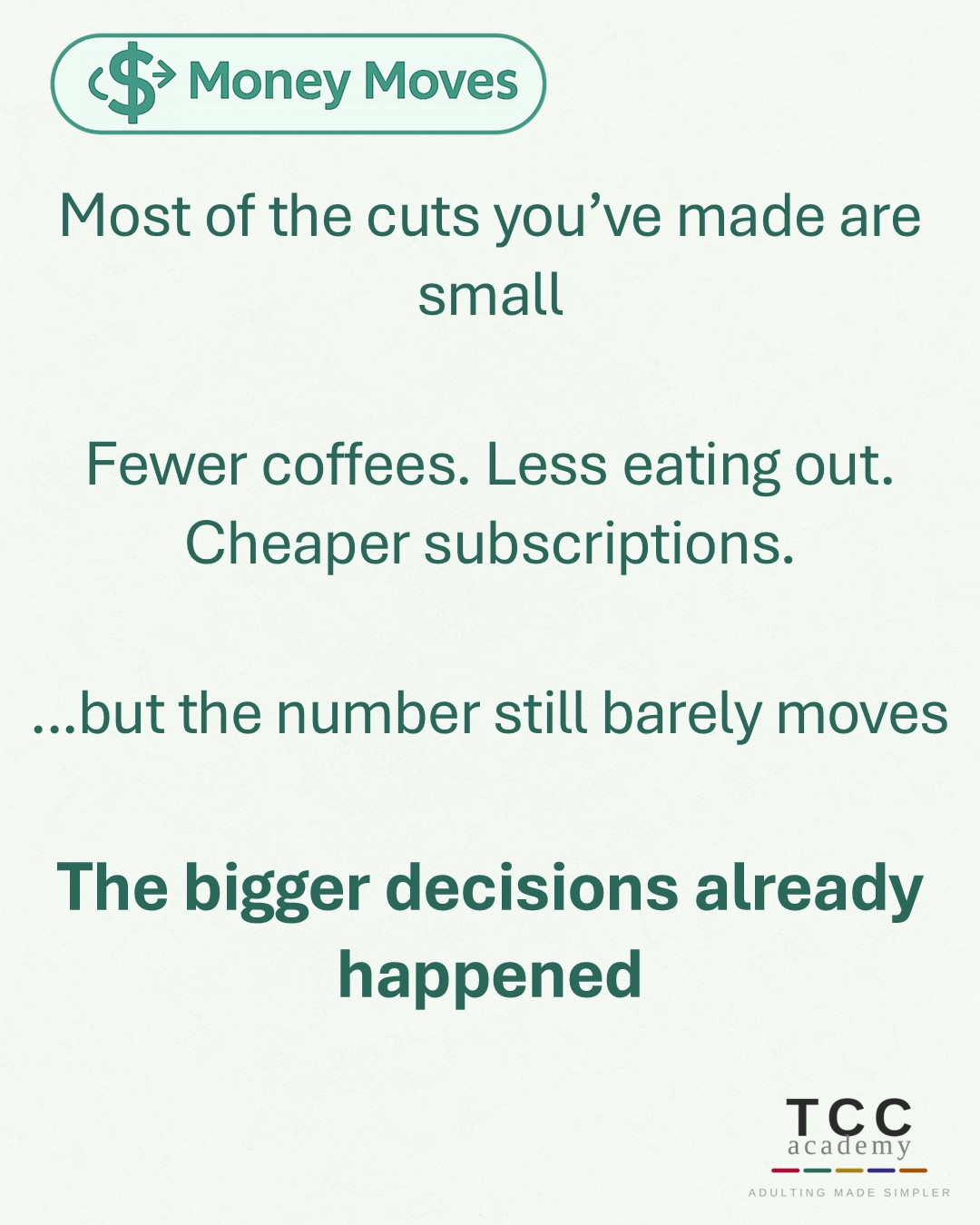
Fixed vs Flexible Expenses

Flexible spending gets all the scrutiny, but fixed expenses (rent, phone plan, commute) are shaped by rare, high-impact decisions that lock in patterns for years. That's where the real leverage sits.

Fixed vs Flexible Expenses

Flexible expenses get all the cutting attention, but fixed expenses (rent, insurance, phone plan) are buried choices made once and billed forever. One review can save more than months of skipping coffee.

Obligatory vs Discretionary

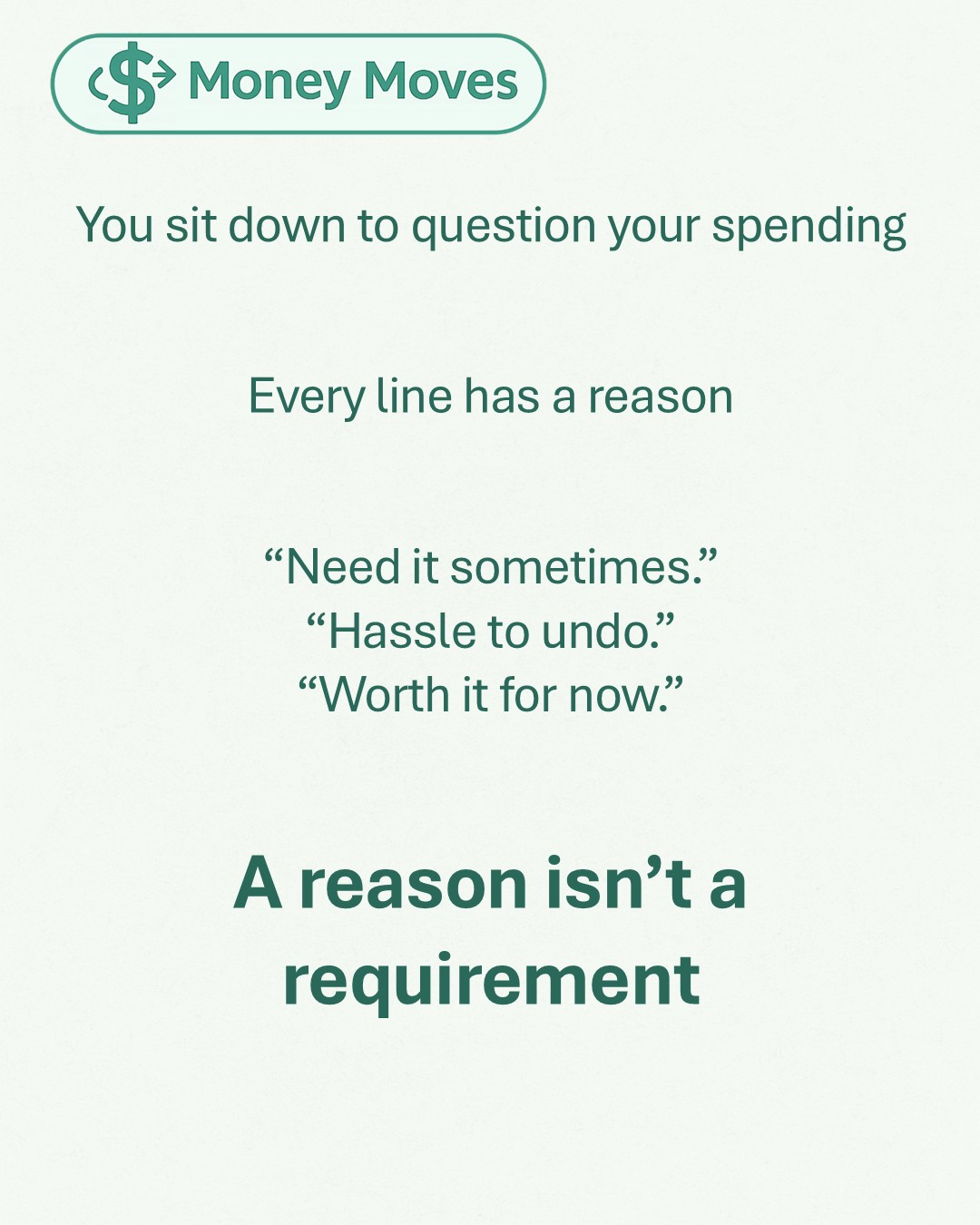
Not every justified expense is obligatory. The distinction between "I have to" and "I choose to" gets blurred by set-and-forget payments. Reclaiming that awareness is where better money decisions start.

Obligatory vs Discretionary

Not every justified expense is obligatory. The Harm Test separates real obligations from things that are just inconvenient to cancel.

What Is Investing

Something you buy and own is an investment only if you bought it expecting it to bring you more money in the future. Owning something useful isn't the same as investing.

Investing vs Speculating

Investing and speculating look the same from the outside: you put money somewhere and wait. The difference is whether you expect it to grow because it's useful or because it's popular.

Why Speculation Is Riskier

Speculation is riskier because mood changes faster than usefulness. When your reason for buying depends on excitement and attention, there's often nothing underneath to slow the fall when sentiment shifts.

Income Assets

An income asset is an investment that pays you money while you still own it. Not all investments are designed to do this. Knowing the difference shapes your expectations.

Growth Before Income

Some investments don't pay income because they're reinvesting to grow first. Growth and income are different stages. Knowing which one you're in prevents frustration.

GSD Boosts

Master productivity without burnout. Systems for managing time, building habits, and getting things done with less stress and more consistency.

29 lessons·1 theme

All lessons

Motivation's a Trap

Motivation doesn't come before action, it comes from it. Every small win gives your brain a dopamine hit that fuels the next one, so start moving instead of waiting for the spark.

Start Ugly, Finish Strong

Perfection kills more progress than failure ever will. A messy first draft is infinitely more useful than a perfect idea still in your head.

Why Your To-Do List Is Lying to You

Most to-do lists reward volume, not value. Checking boxes feels good but hides the work that actually moves the needle. Ask what matters if you don't do it, that's your real priority.

If Everything's Urgent, Nothing's Important

Urgent tasks scream "now" while important ones whisper "later", but later never comes if you don't protect time for it. Schedule your priorities before someone else fills your calendar.

The 2x2 Matrix That Changed My Brain

The Eisenhower Matrix splits tasks into urgent vs. important across four quadrants. Most people live in "do it now". The effective ones live in "plan it" (important but not urgent).

The 3 Questions That Make Every Day Clearer

Three morning questions cut through chaos in 60 seconds: What must happen today? What can I delay? What will make tomorrow easier? That's not a to-do list, it's a clarity compass.

Plan Before You Play

A five-minute plan saves five hours of chaos. Before opening your inbox, decide what deserves your energy, then design your day around that, not your notifications.

End the Day Grateful, Not Guilty

Sixty seconds of reflection before bed turns experience into growth and chaos into calm. Judge the day by what you became doing it, not by what's left undone.

How to Plan Your Week

Weekly planning is daily planning zoomed out: decide, design, do. Include work, rest, and people in your plan, not just projects and tasks.

Why Kindness Makes You More Productive

Stress narrows attention; gratitude widens it. Kindness shifts your brain from threat mode to growth mode, and the dopamine boost from helping others fuels motivation.

Subtraction Before Addition

Execution improves not by adding more systems but by removing what no longer earns its place. Subtraction creates the space that clarity runs on.

Subtraction Before Addition

When you're stuck, subtract before you add. Removing one commitment that no longer earns its place creates more capacity than any new tool or system.

One Idea Per Block

Exhaustion without progress comes from cramming multiple objectives into a single work block. One block, one objective keeps execution clean.

Sequence Beats Volume

The order you do tasks matters more than how many you finish. Highest-leverage work first creates momentum, low-leverage work first creates drag.

Sequence Beats Volume

Productivity isn't about doing more, it's about doing things in the right order. Start with the task that makes everything else easier.

Chunking for Completion

Tasks stall not because they're hard but because they're vague. Breaking them into concrete deliverables with visible endpoints restores momentum.

Thinking in Stories for Projects

Projects drift when they're just task lists. Giving them a simple beginning-middle-end narrative creates direction and makes execution feel purposeful.

Design for Finish, Not Start

Work piles up because most systems help you begin but not finish. Adding a clear closing action to each task is what releases it from your head.

Make It Automatic

Willpower loses to "later" every time. An if-then plan removes the negotiation by attaching the action to a concrete cue.

The WOOP Challenge

Visualising success doesn't help you start, naming the obstacle does. WOOP (Wish, Outcome, Obstacle, Plan) pre-loads your response to friction so you move through it instead of stalling.

Resume Notes

When you're interrupted, leave a resume note, a short "where I was + next step", so you can restart without rebuilding context from scratch.

The No-Ping Challenge

Every notification costs about 7 seconds of focus, but the real tax is anticipation. Your brain stays on-call even when you don't open the app.

Label Emotion, Pick Subtask

Procrastination is usually a feeling you're dodging, not laziness. Name the emotion, pick one tiny next step, and claim an immediate reward.

The One Rep Challenge

Habits don't lock in on a fixed timeline. They run on cues and reps, not willpower and perfect streaks. Chase completed reps, not perfect days.

Microbreaks

Your breaks are broken because scrolling isn't rest, it's more input. A real microbreak means zero screens and zero work, even for just two minutes.

Exercise Snacks

Sixty seconds of movement before a hard task isn't a workout. It's a focus switch that resets your brain for sharper execution.

Exercise Is an Execution Lever

Exercise isn't a health habit that fits around your work. It's the fuel that makes execution possible. Move before your hardest task, not after.

The Weekly Reset

There's a difference between planning your week and deciding it. A 15-minute weekly reset with three honest questions turns reactive busyness into intentional direction.

Your Network Is Your Throughput

Your network isn't a contact list, it's who picks up when you call. Invest before you need to withdraw, and your throughput ceiling rises with your relationships.

Ready for AI

AI is changing everything. Learn how to use it strategically in your career, studies, and daily life.

15 lessons·1 theme

All lessons

The World Just Flipped

AI dominates logic, memory and speed, the human edge now lives in curiosity, creativity and connection.

The Six Human Superpowers

Daniel Pink's six senses, Design, Story, Symphony, Empathy, Play and Meaning, are what robots copy worst and value most.

Creativity Is Currency

When logic gets automated, imagination becomes the economy. Creativity is problem-solving with personality.

Empathy Is the New Tech Skill

Tech without empathy builds cold systems that break people. The question isn't "can we build it?" but "should we build it?"

Meaning > Efficiency

AI can clear your schedule, but it can't tell you what's worth scheduling. Purpose is the skill machines can't replace.

The Power of Framing

AI doesn't think, it mirrors. The clearer your frame (role + goal), the smarter the reflection you get back.

The Iteration Game

The first prompt is a first date, not a final draft. Iteration is collaboration in disguise that teaches AI how you think.

The Story in Your Data

Data tells you what happened, story tells you why it matters. AI can crunch numbers, but you give them direction.

Be the Conductor, Not the Instrument

You don't need to know everything. You need to orchestrate intelligent help by defining roles and directing AI like a full creative team.

Thinking in Two Modes

AI gives you logic on tap. Your job is to add the leaps by switching between analysis and synthesis.

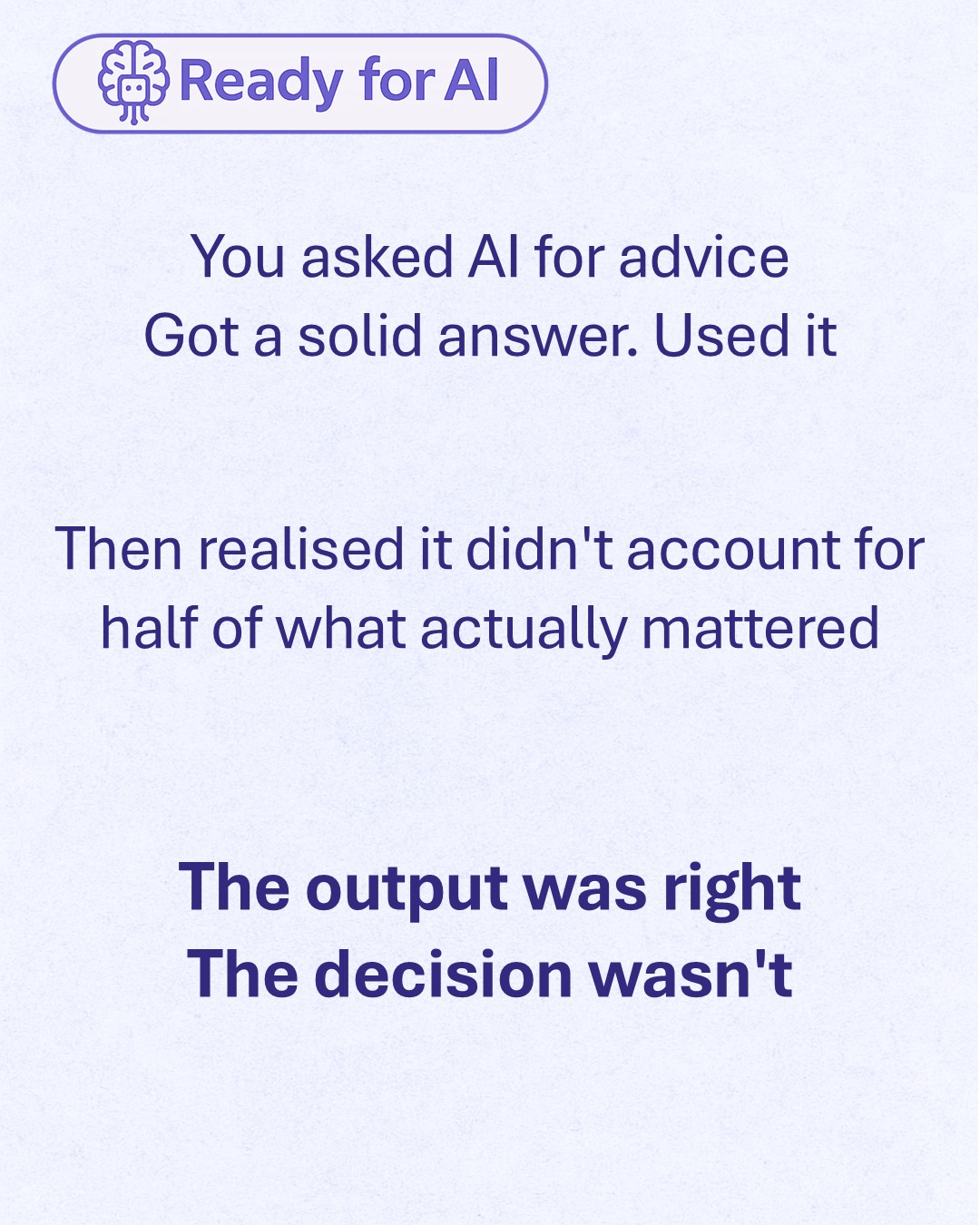
Invisible Goal Drift

AI drifts when goals aren't actively anchored. Polished output can still confidently solve the wrong problem.

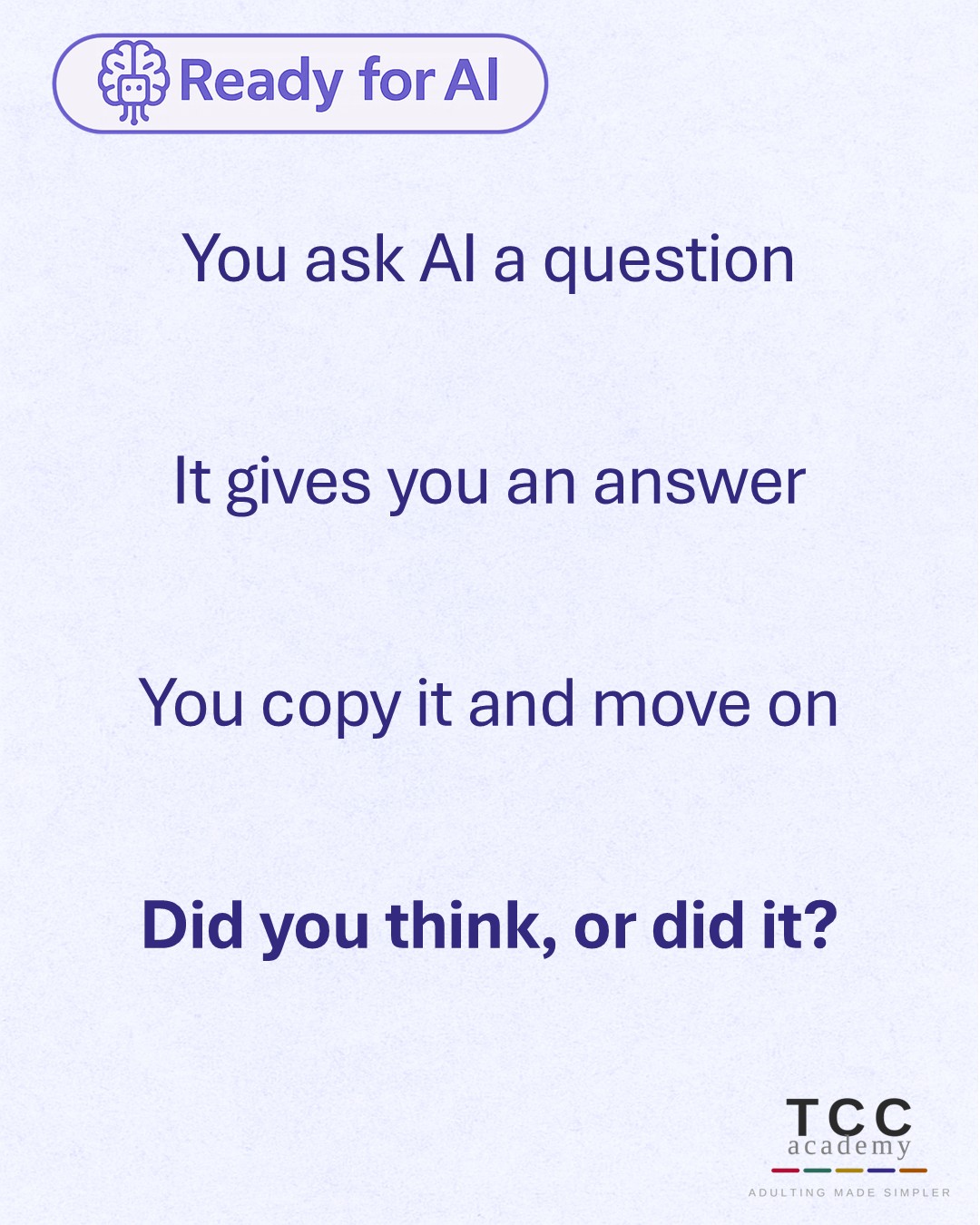
The Skill AI Can't Fake: Judgement

AI gives you answers without context, your risk, your timeline, what you'll regret. Judgement is the skill of knowing which AI outputs to actually act on.

How to Think With AI, Not Just Ask It

Most people refine the wording of their AI prompts when they should be refining the question. The quality of the output is set by the quality of your framing.

The Jobs AI Creates (Not Just Destroys)

AI doesn't just delete jobs, it fragments them into new roles built on familiar skills. The question isn't whether your job survives, but which part of it becomes more valuable.

AI Won't Replace You, But Someone Using AI Will

AI won't replace you directly, but someone using AI to do your job faster will. The gap isn't technology, it's whether you've started using it.

Catalog v1.1 generated 2026-04-29Manifest snapshotted 2026-04-29